
Every business eventually retires laptops, desktops, servers and phones. The problem is that these devices almost always still hold data, and simply throwing them out, handing them to a general recycler, or letting staff take them home can expose sensitive company and customer information. For businesses in Johor Bahru, here is a practical, security-first way to retire IT equipment.
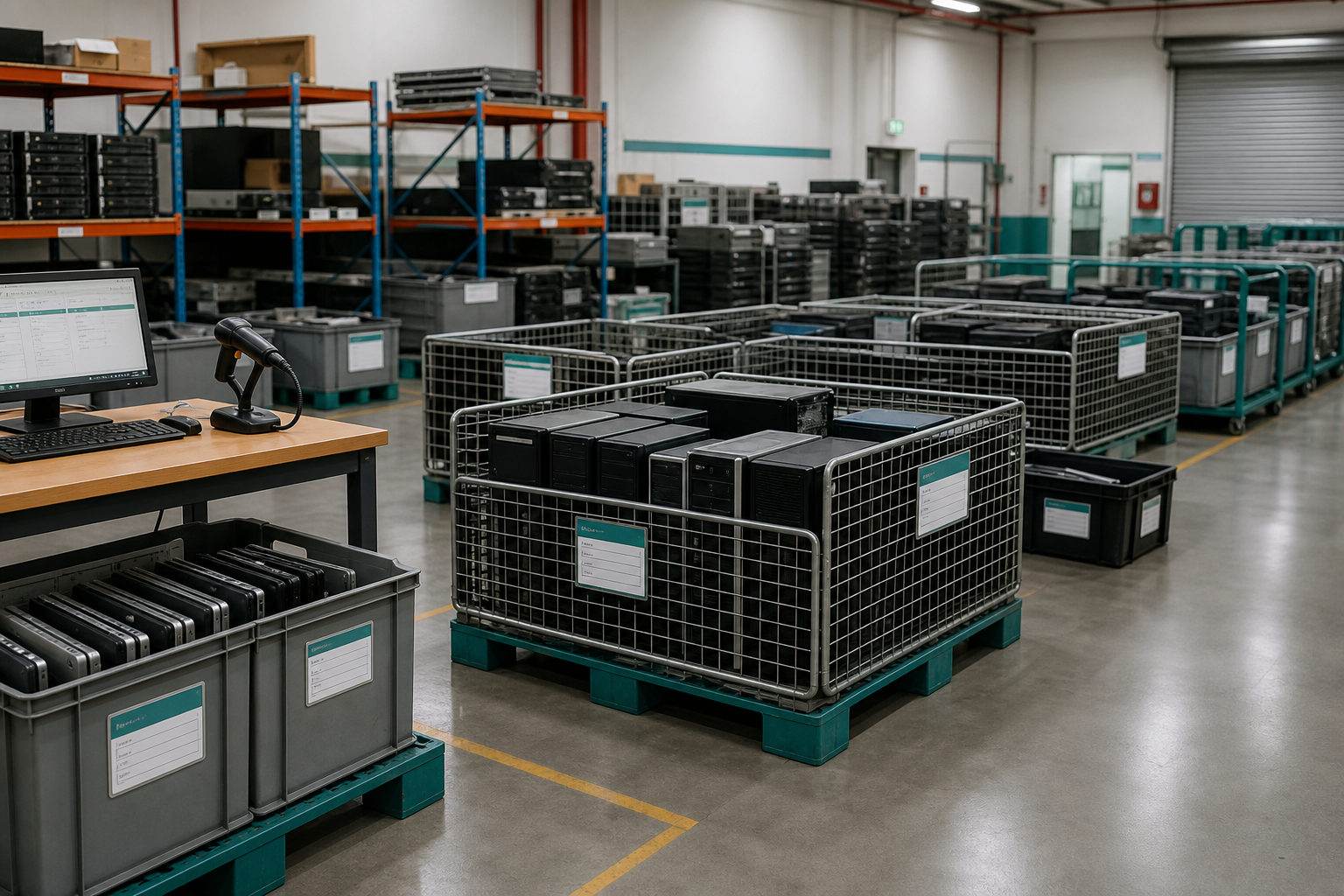
1. Build an inventory of what you’re retiring
Before anything leaves your office, list the assets: device type, quantity, and whether each one stores data. Laptops, desktops, servers and external drives all contain storage; so do many printers, copiers and networking devices. A simple inventory is the foundation of a defensible IT asset disposition process and makes later reporting far easier.
2. Decide: erase for reuse, or destroy?
Not every device needs to be shredded. If equipment is still usable, its storage can be securely wiped so the hardware can be redeployed, remarketed or sold. If a device is at end of life, damaged, or carries especially sensitive data, physical destruction is the safer route.
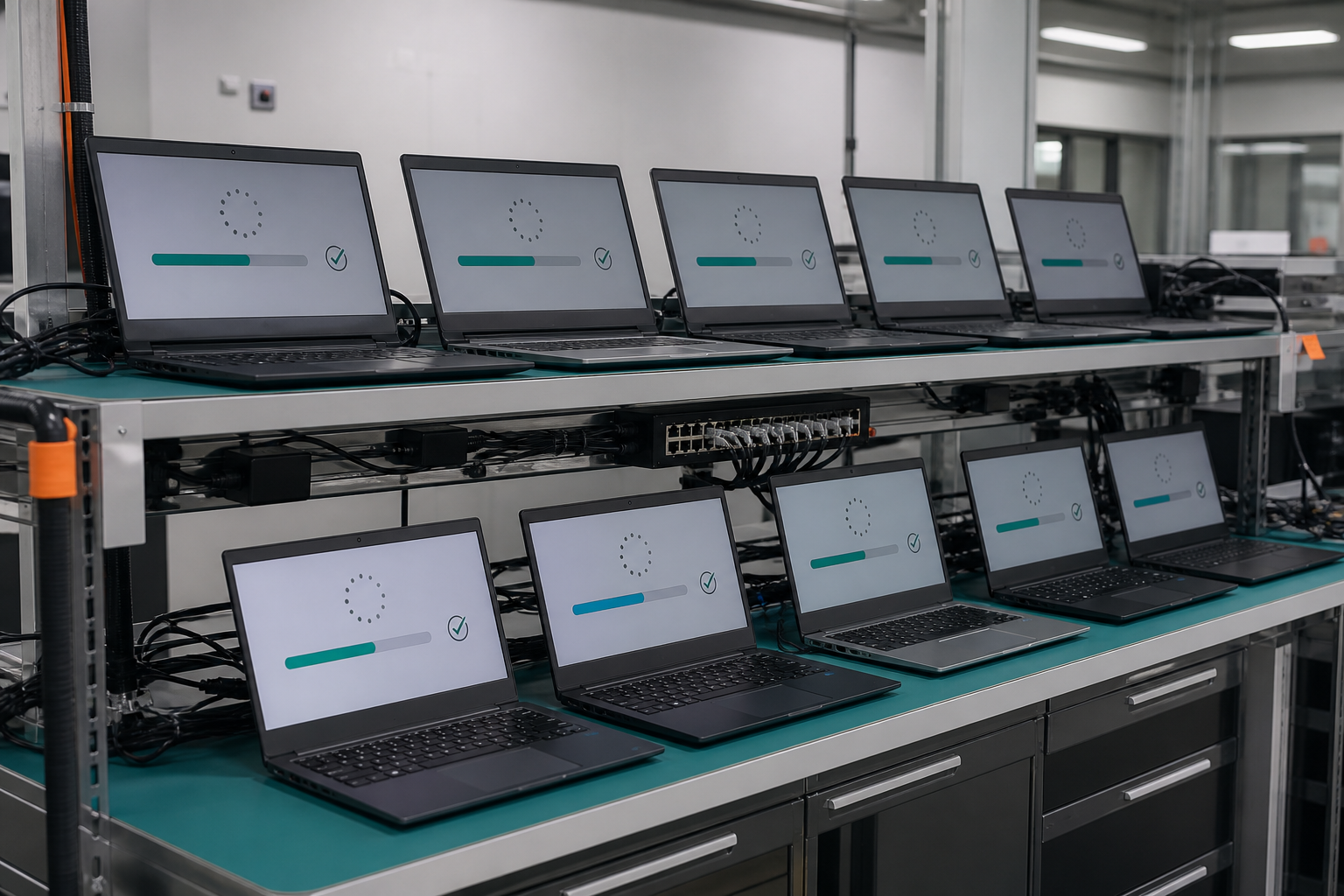
- Data erasure: software-based sanitisation, scoped with reference to standards such as NIST SP 800-88, keeps the hardware’s value while removing the data. See data sanitisation and erasure.
- Physical destruction: shredding, crushing or degaussing for media that will not be reused. See physical data destruction.
3. Keep a chain of custody
From the moment devices leave your premises to the moment they are processed, you should be able to show where they were and who handled them. Documented collection, handover records and controlled transport, delivered through our secure logistics service, mean there is no gap in accountability.
4. Recover value where you can
Retired equipment is not always worthless. Once data security is addressed, eligible devices can be assessed for reuse or buy-back, offsetting some of your refresh cost. This is value recovery, and it only makes sense after sanitisation is confirmed.
5. Recycle the rest responsibly
Whatever cannot be reused should be routed to appropriate recycling channels rather than landfill. In Malaysia, business e-waste is generally treated as scheduled waste and should be handled through licensed channels. See our guide to e-waste recycling.
6. Get your documentation
Finally, collect the evidence: collection records, erasure results or certificates of destruction, and asset or quantity reporting. This paperwork is what satisfies auditors, supports your internal controls, and closes the loop on each device.
Handling all six steps in-house is possible, but most organisations prefer a single provider to scope collection, sanitisation, destruction, value recovery and reporting around their assets. If you are planning an IT refresh or clear-out in Johor Bahru, request a quote and we will help you retire it securely.